
Autism Self-Check
A simple reflection tool to understand traits commonly associated with autism
This self-check section is designed to help you reflect on certain behaviors, preferences, and experiences that are commonly seen in autistic individuals. It is not a diagnostic tool, but it can help you understand patterns that may be worth exploring further with a professional.
Autism exists on a wide spectrum, and every individual experiences it differently. If you notice many of these traits in yourself or someone you care about, it may be helpful to seek a professional evaluation for clearer understanding.
-
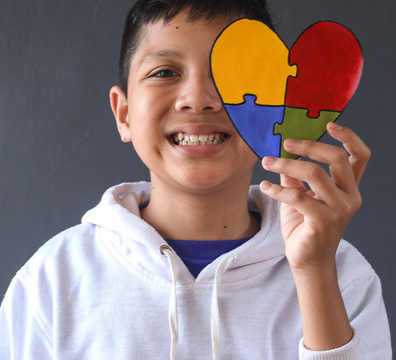
This self-check is for parents, caregivers, teens, adults, and educators. It’s a screening tool, not a diagnosis. If you notice multiple signs, consider consulting a qualified professional.
-
Communication & Expression
Understanding and expressing thoughts, feelings, and communication style.
-
Social Interaction
Experiences in social settings and relationships.
-
Repetitive Behaviors & Interests
Patterns, routines, and areas of deep focus.
-
Sensory Sensitivity
How your senses respond to the environment.
how it works
Read each statement carefully and Select the option that best describes you
- Yes - Often true for me
- Maybe – Sometimes true
- No – Rarely or not true
how it works
- 25%
-
50 % of 25 Answered
Take your time, There is no rush
What to Remember
- This is not a diagnostic test.
- Everyone experiences these traits differently.
- Self-reflection is the first step to understanding.
- If you relate to many of these, consider talking to a professional.

You are not alone
Understanding yourself is a powerful step.
-
Important Reminder
This self-check is for self-reflection and awareness only. It does not replace a professional diagnosis. If you are concerned about yourself or someone you care about, please consult a qualified psychologist or developmental specialist.
-

-
Autism Self-Assessment
5–10 Minutes
Take a short self-check questionnaire designed to help identify behaviors, communication patterns, and sensory experiences commonly associated with autism. This tool is for awareness and educational purposes only.