
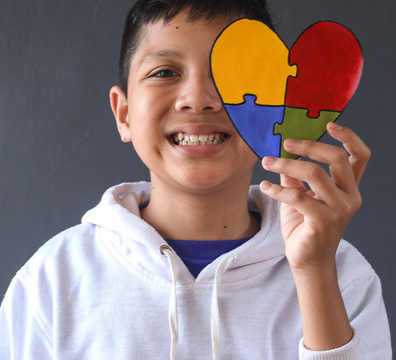
What is autism?
Autism, or Autism Spectrum Disorder (ASD), is a lifelong neurodevelopmental condition that affects how a person thinks, communicates, and interacts with the world. Individuals on the spectrum may experience differences in social communication, behavior, and sensory processing. Autism is called a “spectrum” because it manifests in many ways, with varying degrees of support needs and abilities.
Autism is lifelong. While symptoms appear early in childhood, awareness, support, and understanding can help autistic individuals lead meaningful and fulfilling lives. Importantly, autism is not a disease or illness—it’s a natural variation in human neurology.
There is no single known cause of autism, but research suggests a combination of factors:
- Genetic influences: Autism can run in families
- Brain development differences: Variations in how the brain grows and connects
- Environmental factors: Certain prenatal or early-life influences
It is important to note that vaccines do NOT cause autism, a myth that has been scientifically disproven.
Early sings of autism are listed below:
- Speech & Language
- Social Engagement
- Sensory Sensitivity
- Repetitive Behaviors
Diagnosing autism involves a comprehensive evaluation, typically conducted by a team of specialists including pediatricians, psychologists, and speech-language pathologists.
While autism can sometimes be diagnosed as early as 18 months, many children aren't diagnosed until later, and some aren't diagnosed until adulthood.
Key characteristics of autism
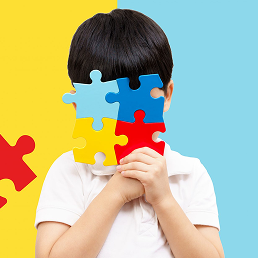
Communication Differences
Autistic individuals may communicate in unique ways.
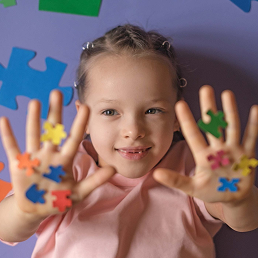
Repetitive Behaviors
This can include repeating movements, routines, or focusing deeply.
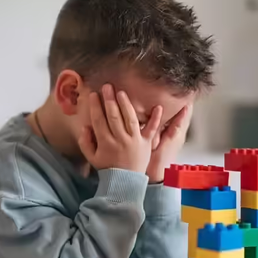
Unique Strengths
Many autistic individuals have strong memory, attention to detail.
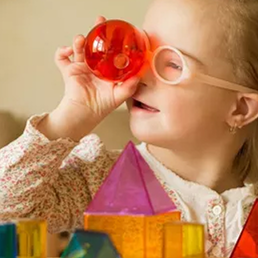
Sensory Sensitivities
Lights, sounds, textures, or smells may feel overwhelming .
Autism Around the world
Understanding how autism is recognized, supported, and experienced across different cultures and communities worldwide.
- 1 in 100 Children globally are diagnosed with autism spectrum conditions.
- 0 Million+ People worldwide are estimated to be on the autism spectrum.
- 0% Autistic individuals in many regions remain undiagnosed.
- 0%+ Live in low- and middle-income countries with limited access to services.
Autism awareness through powerful global statistics and real-world impact
0X
Autism is 4 times more common in boys than girls.
0%
Of autistic individuals are nonverbal or minimally verbal.
0
1 in 36 children in the U.S. is diagnosed with autism spectrum.

Strengths of Individuals with Autism
-
1
Strong Attention to Detail Many individuals with autism have an exceptional ability to notice small details that others might easily overlook. They can identify patterns, spot error.
-
2
Excellent Memory Skills Individuals with autism often demonstrate strong memory abilities, allowing them to retain and recall information with impressive accuracy.
-
3
Deep Focus and Passion Many individuals with autism develop intense focus and dedication toward specific interests or activities. They may spend extended periods learning.
-
4
Logical and Analytical Thinking Individuals with autism often excel in logical reasoning and analytical thinking, approaching problems in a structured and systematic way.
-
5
Honesty and Reliability Many individuals with autism are known for their honesty and straightforward communication. They tend to express their thoughts clearly and genuinely.
Have any questions?
Get answes now
Answering the Most Important Questions To Understand Autism
-
Autism Self-Assessment
5–10 Minutes
Take a short self-check questionnaire designed to help identify behaviors, communication patterns, and sensory experiences commonly associated with autism. This tool is for awareness and educational purposes only.